
 01 September 2026
A practical guide on estate planning for non-resident owners of Mexican property and assets. Explains how Mexican and foreign wills function, how bank trusts (fideicomisos) streamline asset transfers to heirs, and key steps to avoid complex cross-border probate proceedings.
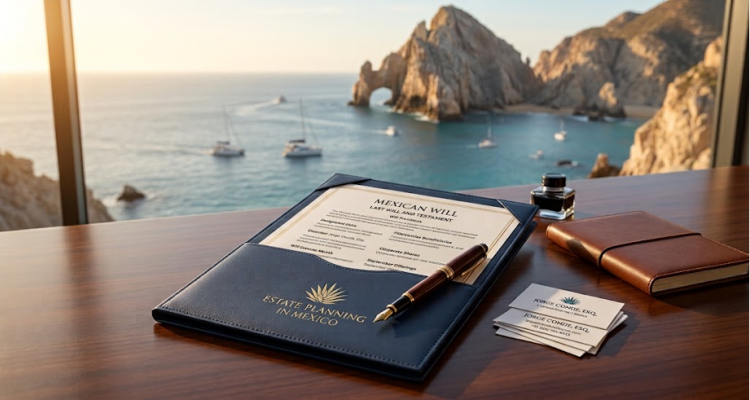
Plan for the Future
By Jorge Conde, Esq.
September of each year is designated as “Will Month” (El Mes del Testamento) in Mexico, offering discounted notary fees to encourage individuals and families to plan for the future. Below are the top six questions we regularly discuss with clients when structuring an estate plan for assets located in Mexico:
1. What steps must be taken to transfer ownership of real estate held through a MEXICAN CORPORATION when a shareholder or partner passes away?
The process to transfer shares or equity interests of a Mexican corporation that owns real estate depends on the deceased shareholder's estate planning setup:
- A. If the decedent executed a Mexican Will:
The shares of the Mexican corporation will be transferred to the heir(s) appointed in the Mexican Will upon completion of a probate proceeding (juicio testamentario) before a local Mexican court or notary public. This is the most efficient and reliable method for transferring corporate shares upon death.
- B. If the decedent died intestate (without a Will):
The shares will be transferred to the decedent’s legal heirs based on the statutory order and percentages established under the relevant State Civil Code through an intestate proceeding (juicio intestamentario). This process is generally more complex, lengthy, and costly—especially when heirs reside abroad.
- C. If the decedent executed a Foreign Will (e.g., U.S. or Canadian Will):
Once the foreign Will is probated and validated in the country of origin, the court-appointed executor may transfer the shares to the designated heirs. However, the foreign court documents (Will, probate decree, letters testamentary) must be apostilled (or legalized), officially translated into Spanish by a certified court translator (perito traductor), and recognized by a local court or notary in Mexico before becoming effective.
Note: The property deed (escritura) or title held under the trust (fideicomiso) remains under the name of the Mexican corporation and does not require an amendment or transfer at the public registry.
2. What steps must heirs follow if the real estate is held in a FIDEICOMISO (Bank Trust)?
The transfer process depends on whether substitute beneficiaries were officially designated in the trust agreement:
- A. If the Fideicomiso includes designated Substitute Beneficiaries:
The process to recognize and vest title in the new beneficiaries upon the primary beneficiary’s passing is handled directly through an administrative closing process with the Trustee Bank (Fiduciario). No Mexican or foreign probate court proceeding is required. This is the most cost-effective and streamlined method for transferring real estate trust rights in Mexico.
- B. If the Fideicomiso does NOT designate Substitute Beneficiaries:
The trust beneficiary rights must be transferred through one of the following legal avenues:
3. What is included in a MEXICAN WILL? What is the process and cost to execute one?
Drafting and executing a Mexican Will (Testamento Público Abierto) is a straightforward process coordinated through a licensed Real Estate Attorney or a Mexican Notary Public (Notario Público).
During the initial consultation, the attorney reviews asset allocation, the appointment of an Executor (Albacea), primary and substitute heirs, and special provisions such as:
- Guardianship arrangements for minor children.
- Substitute heirs in the event a primary heir predeceases the testator.
- Specific instructions for settling liabilities or debts.
- Funeral and memorial service preferences.
If the testator does not speak Spanish, an official certified translator must participate during the execution before the Notary.
- Notary Fees: Notary fees for executing a Will generally range around $250 to $300 USD, with special discounted rates offered during September ("Will Month"). Legal drafting and consulting fees are quoted separately.
- Amendments: A Mexican Will can be modified, updated, or revoked at any time as circumstances change.
4. How are MEXICAN BANK or INVESTMENT ACCOUNTS transferred upon death?
Holders of checking, savings, or brokerage accounts with Mexican financial institutions can designate beneficiaries directly on the account agreements at the time of opening or at any point thereafter.
Upon the account holder's death, the institution releases the funds directly to the designated beneficiaries upon presentation of an official, apostilled death certificate (and translation if issued abroad). This administrative process avoids court probate entirely, provided valid beneficiaries remain listed on the account file.
5. What happens if a foreign property owner dies without any Will or beneficiary designation?
When an owner passes away intestate with assets in Mexico (such as real estate, corporate shares, or unassigned trust rights), it is critical to consult a specialized real estate law firm, such as Conde, Alvarez & Associates.
We evaluate the jurisdiction, familial relationship of potential heirs, and international probate documentation to determine the most viable strategy—whether initiating an ancillary probate proceeding in Mexico, recognizing foreign probate judgments, or executing an intestate transfer in full compliance with Mexican law.
6. What other considerations should non-resident owners of Mexican assets keep in mind?
To ensure a seamless transition of assets and prevent unexpected legal obstacles for your heirs, consider the following proactive measures:
- Complete Outstanding Title Closings: If property was acquired through a Promise to Purchase Agreement (Contrato de Promesa) or private contract, ensure the formal title closing (escritura pública) is fully executed and recorded in the Public Registry of Property. Unrecorded private contracts create significant probate challenges.
- Regularize Foreign Vehicles: Ensure vehicles imported with foreign plates undergo proper temporary importation status or legal definitive importation to avoid seizure or administrative issues upon the owner's death.
- Keep Beneficiary Designations Current: Periodically review bank account files, corporate share registries, and fideicomiso deeds to ensure substitute beneficiary details remain accurate and up to date.
Jorge M. Conde, Esq.
Licensed Real Estate Attorney
